
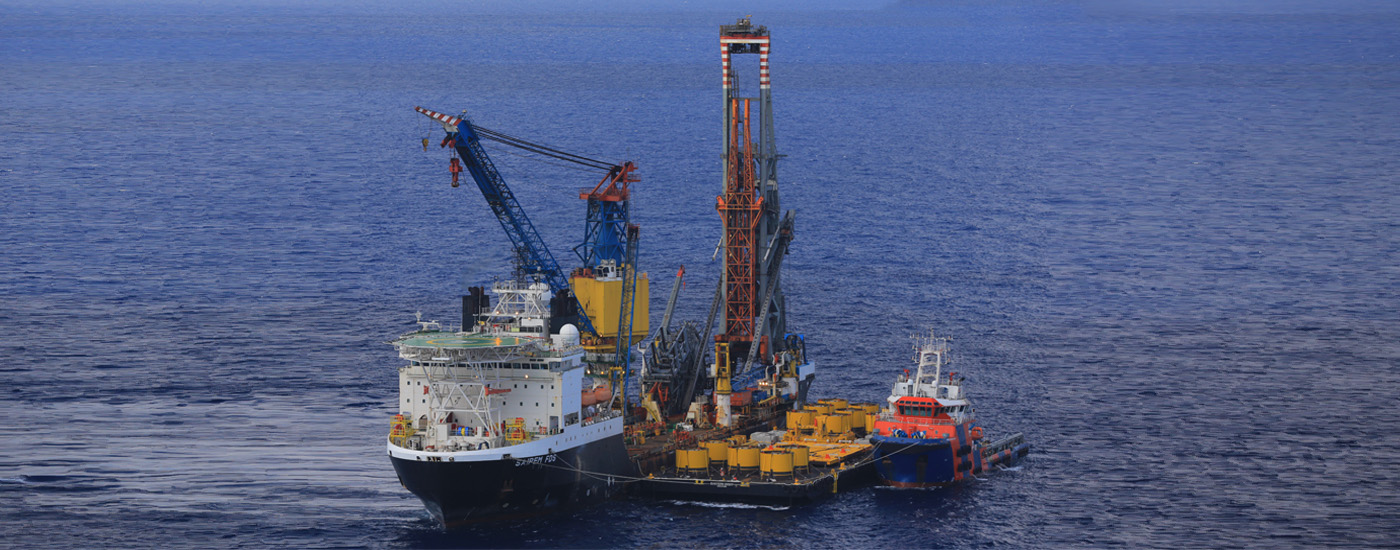
The Ichthys Project produces 8.4 million t of LNG and 1.6 million t of LPG per annum, along with approximately 100,000 barrels of condensate per day at peak.
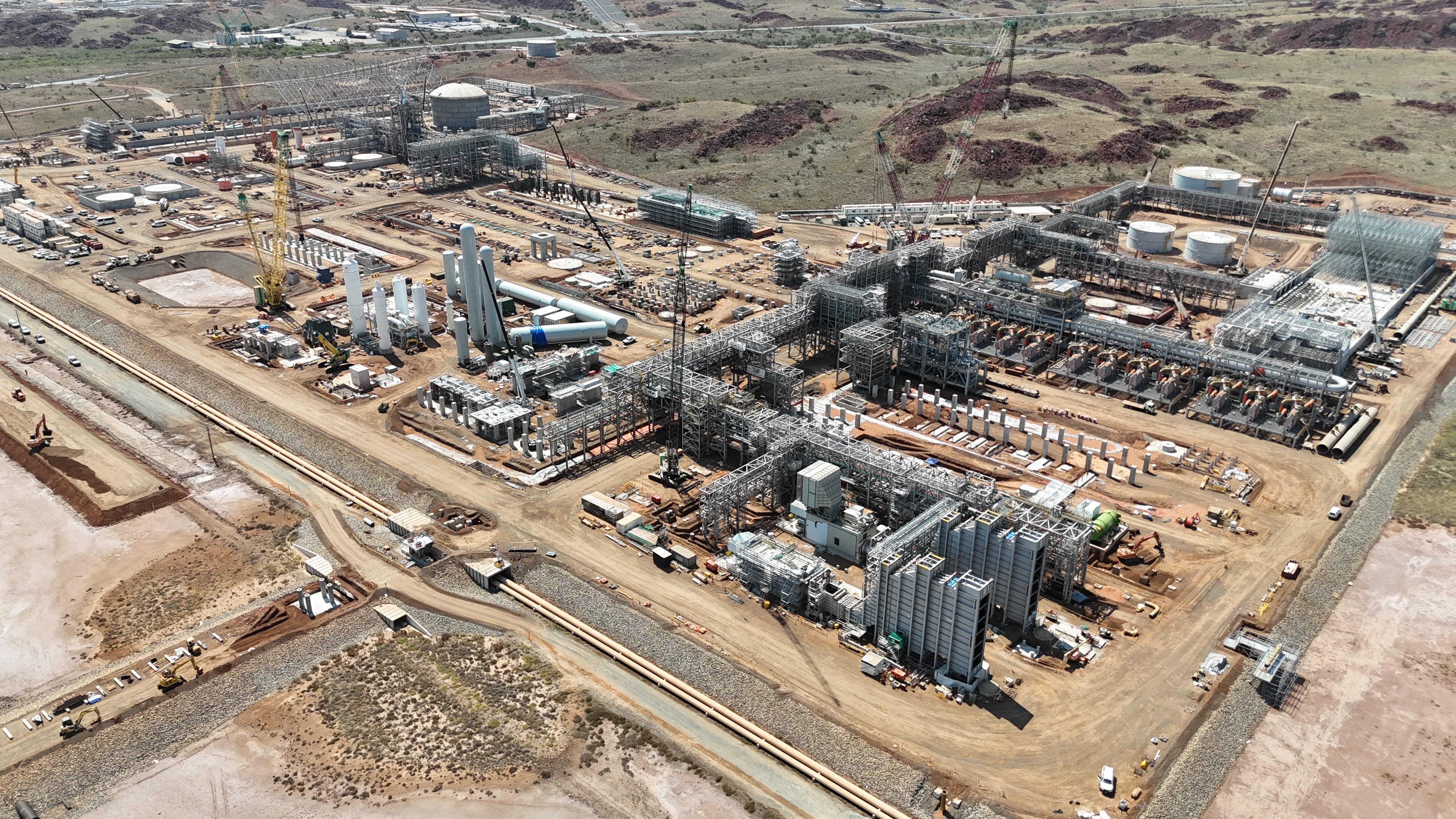
The development of Perdaman’s Ceres urea plant, located approximately 20 km northwest of Karratha, on the coastline of Western Australia, once completed, will be the world’s largest gas stream ammonia-urea plant and Australia’s first urea export project.
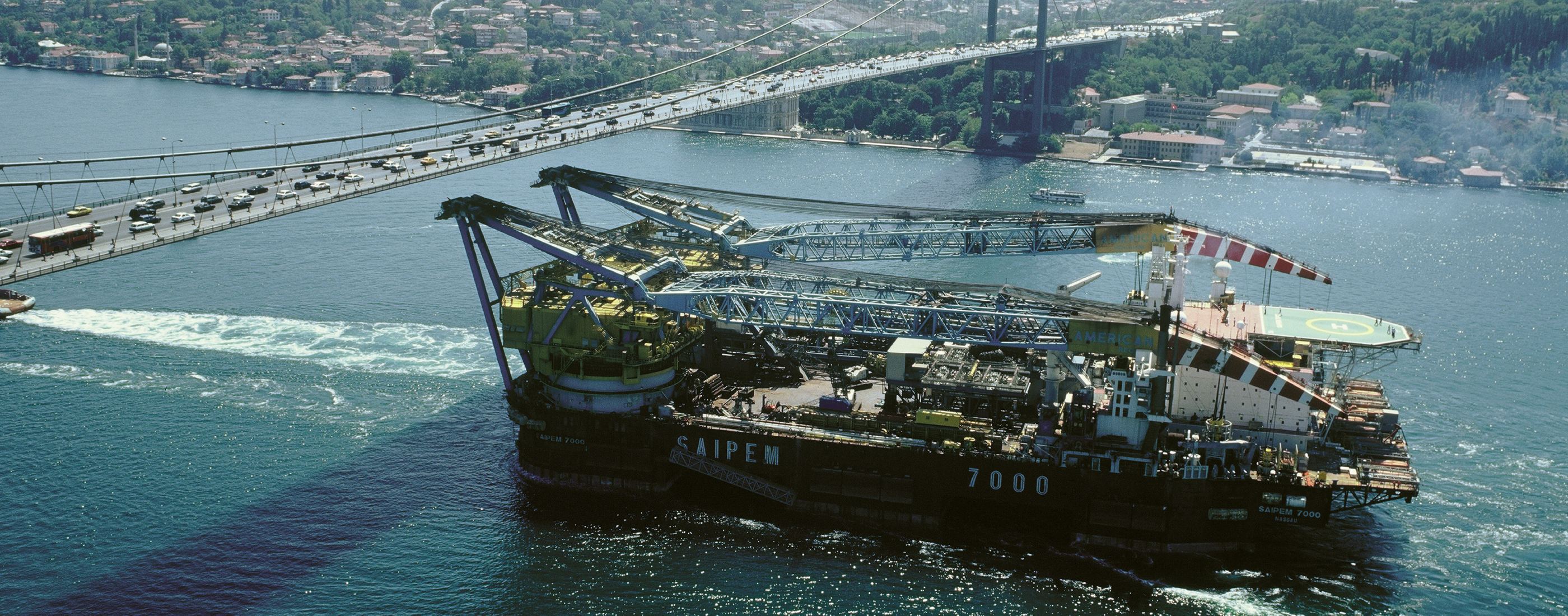
Blue Stream was a testing ground for both Saipem and the industry. At the time, working at a depth of nearly 2,200 meters had never been done before.
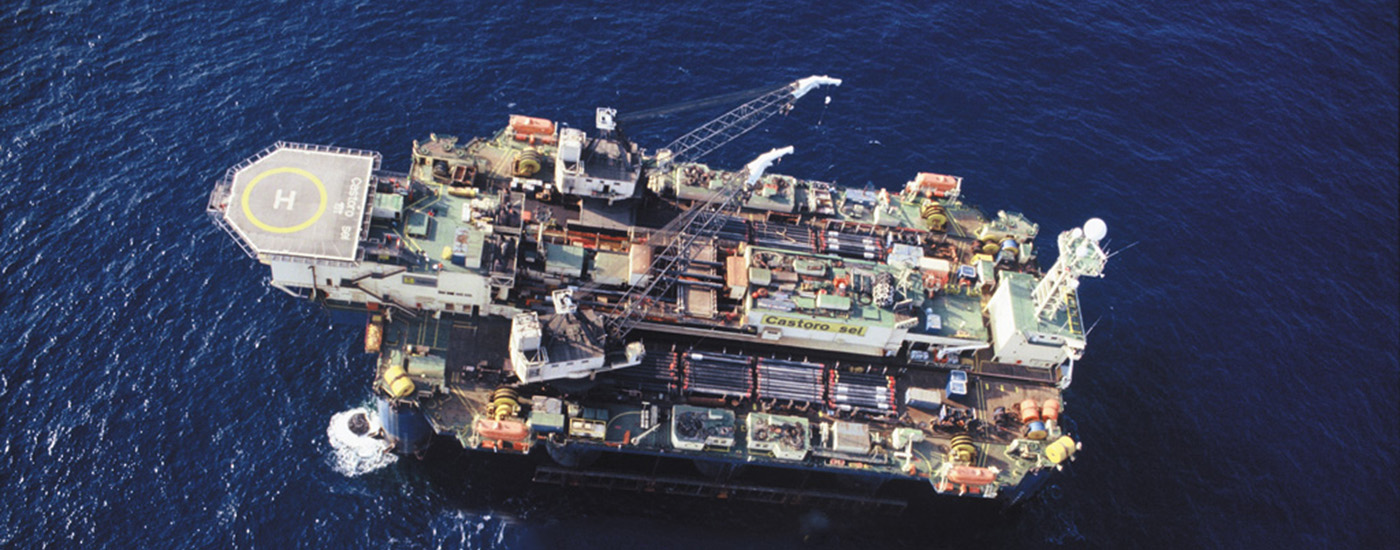
The 516 km long Greenstream gas pipeline (Libyan Gas Transmission System - LGTS), running from Mellitah, Libya to Gela in Sicily, is still the longest sealine laid in the Mediterranean Sea and one of the biggest challenges ever faced in terms of design and complexity.
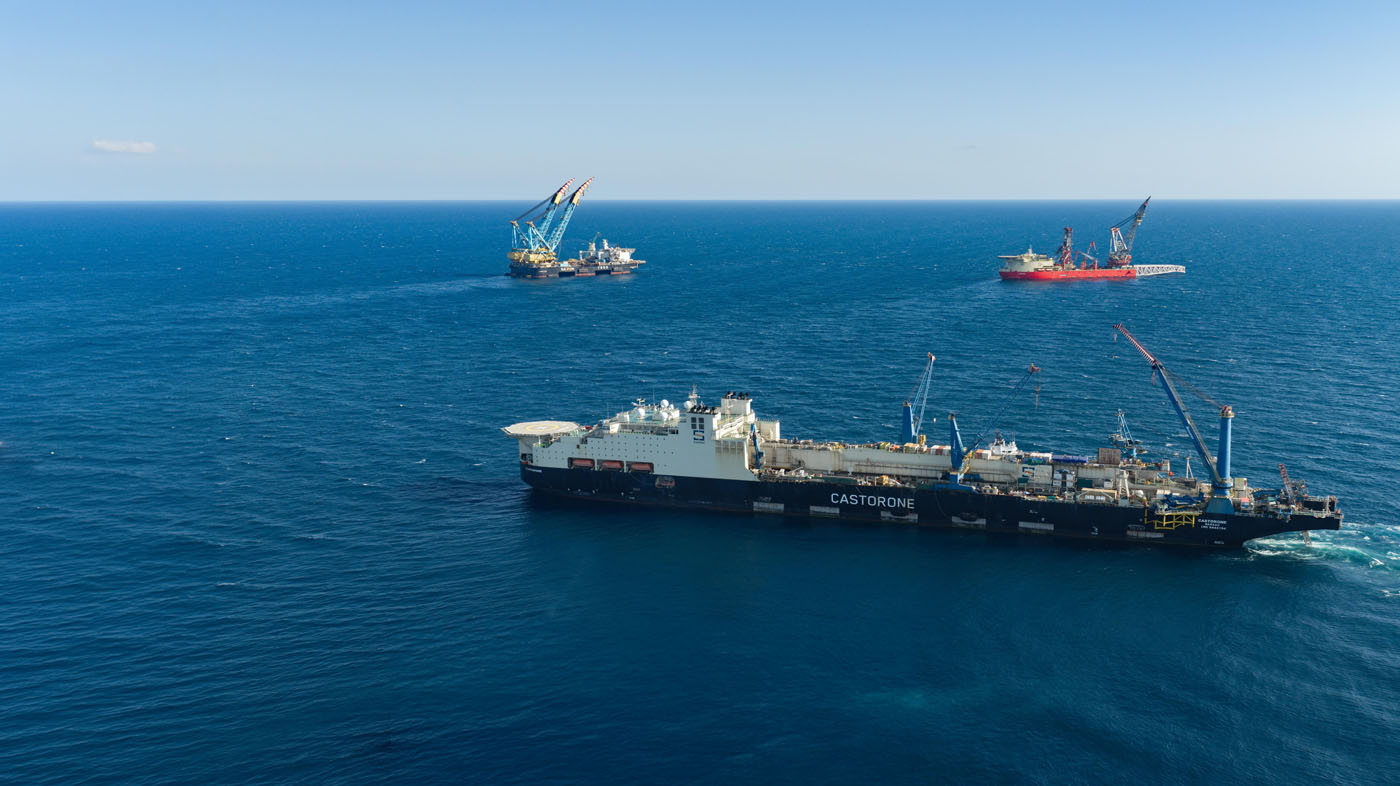
Neptun Deep is the largest offshore natural gas project currently under development in the European Union. It represents a strategic infrastructure for the energy security of Romania and Europe, contributing to the development of Black Sea resources and the diversification of energy supply sources.
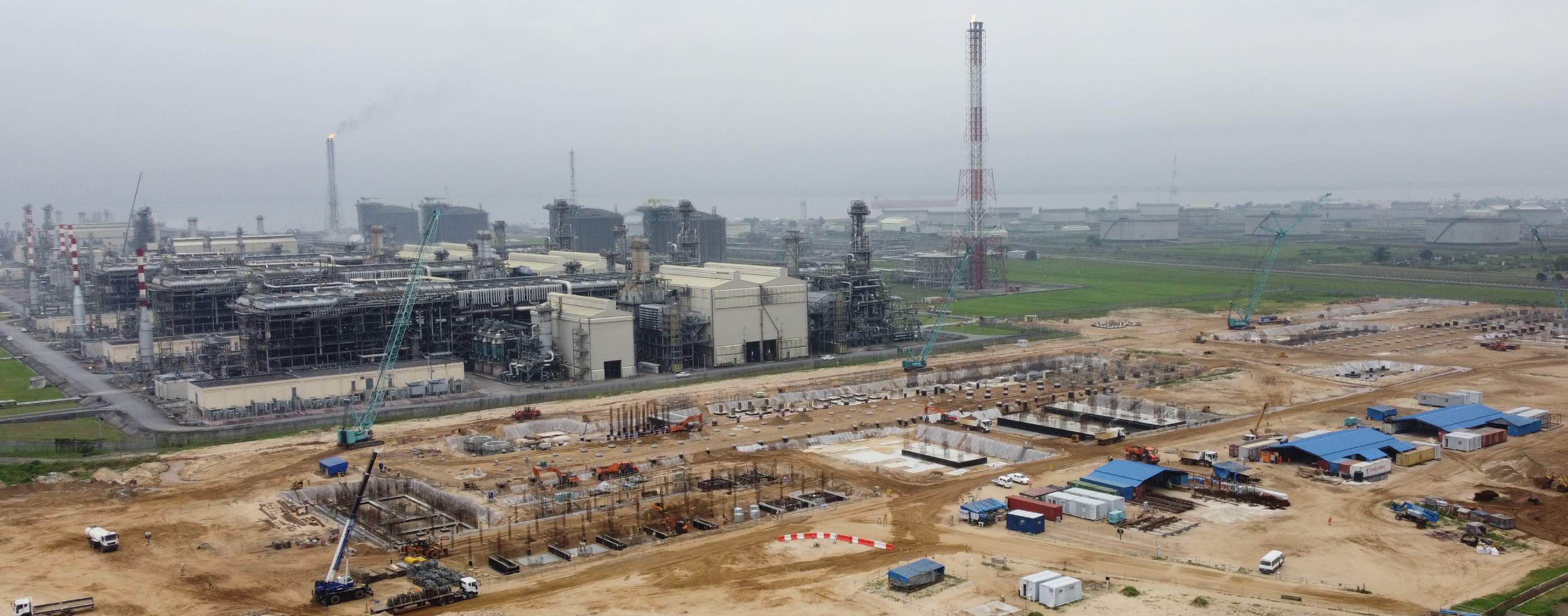
The NLNG Complex, operated by Nigeria LNG Limited, is located at Finima on Bonny Island, approximately 40 km south of Port Harcourt in Rivers State, Nigeria.
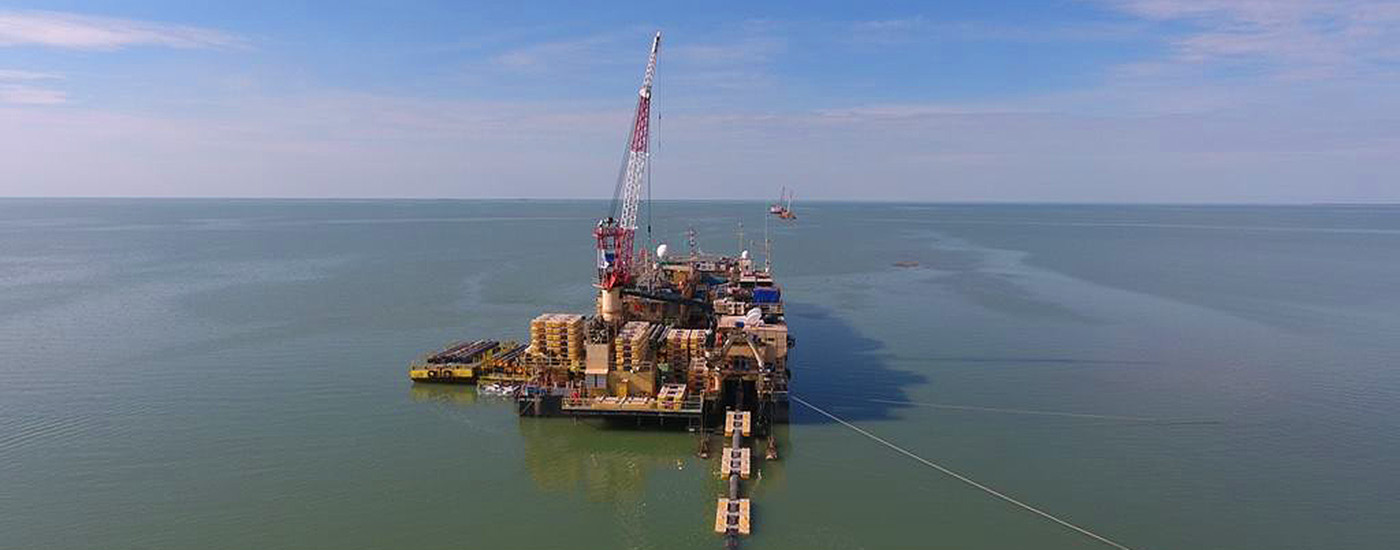
The Kashagan field, located in the North Caspian Sea (Kazakhstan), is one of the largest oil fields discovered in the past 30 years. The development of this complex project was a major challenge due to the very shallow waters, the extreme environmental conditions, the severe environmental requirements, and access limitations to the Caspian Sea, which all led Saipem to develop unique innovative solutions.
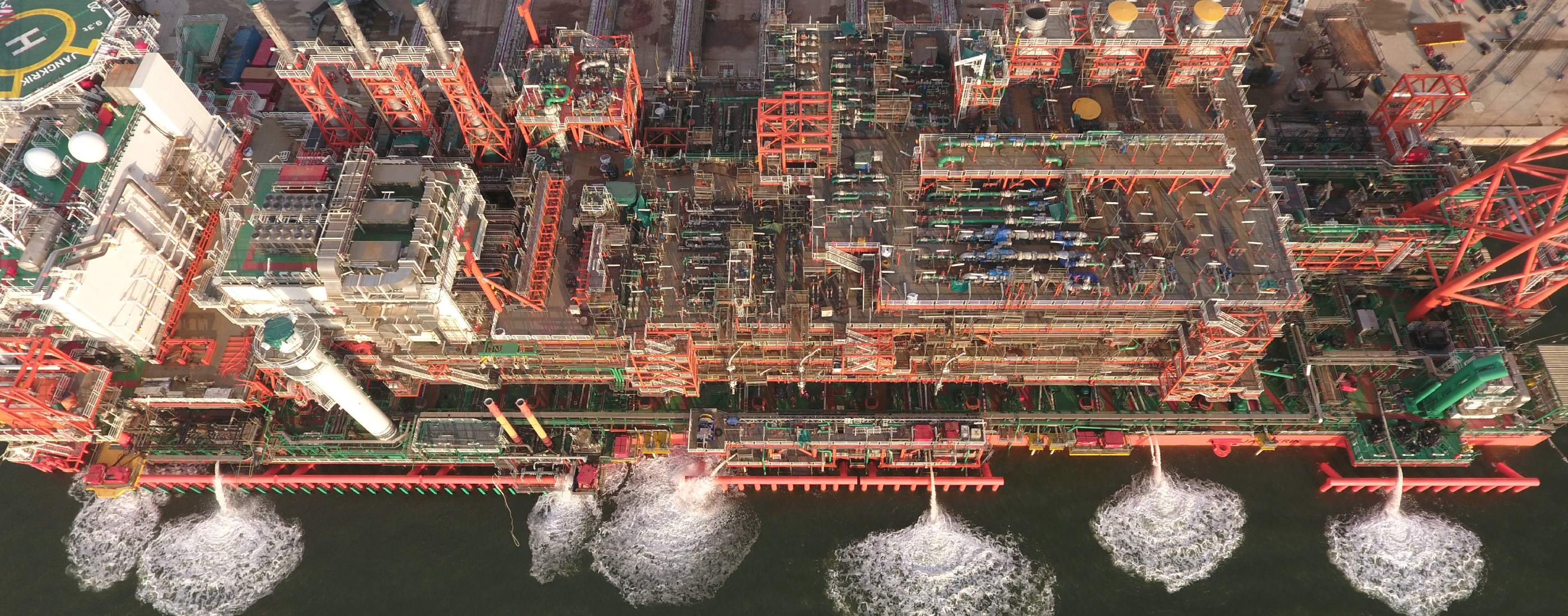
Discovered in March 2009, the Jangkrik Gas Field is located about 70 km from the coast of Borneo, Indonesia, at a water depth ranging from 250 to 500m.
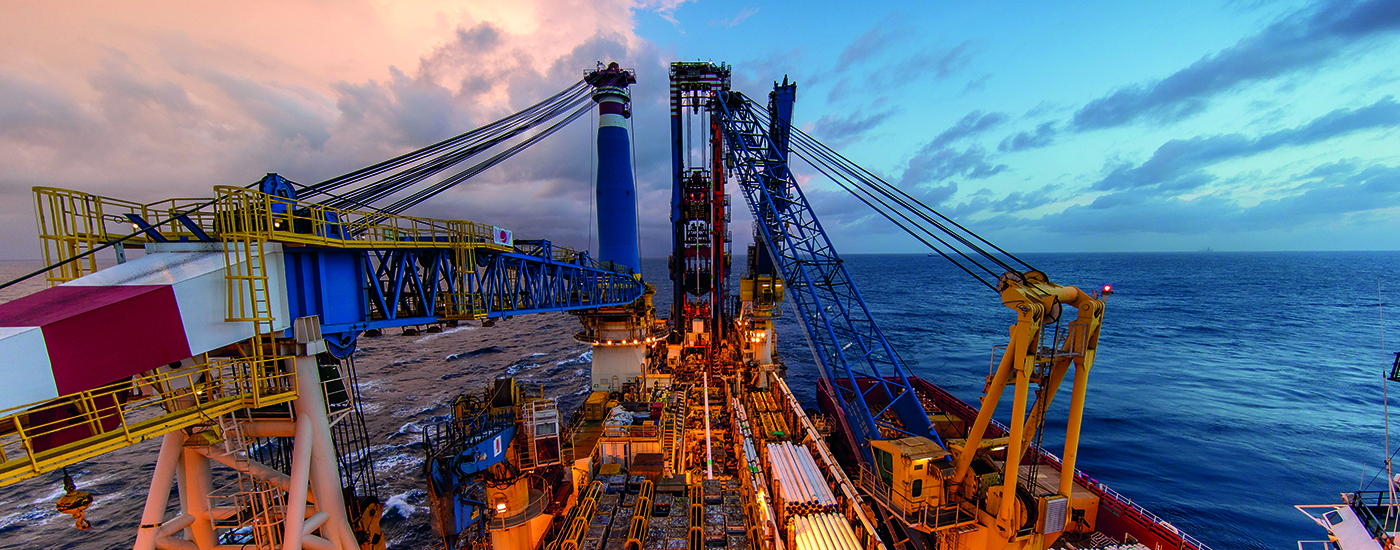
The first deep-water production system in Guyanese waters, with a water depth of 1,500 m to 2,100 m and also the first and only onshore fabrication yard for subsea structures in Guyana.
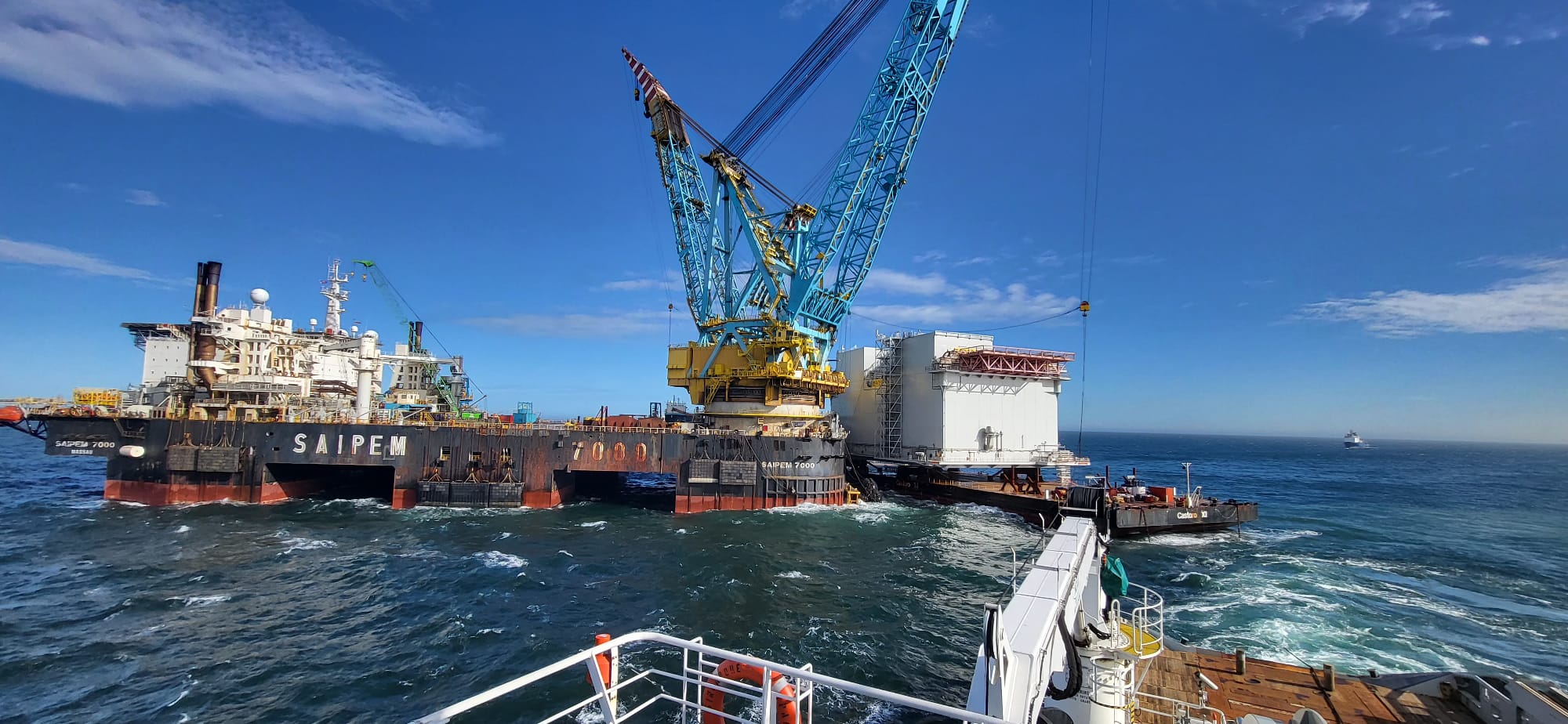
The Dogger Bank Offshore Development Zone, located between 125 and 290km off the east coast of Yorkshire, extends for an area nearly as large as Greater London, at a water depths ranging from 18m to 63m.
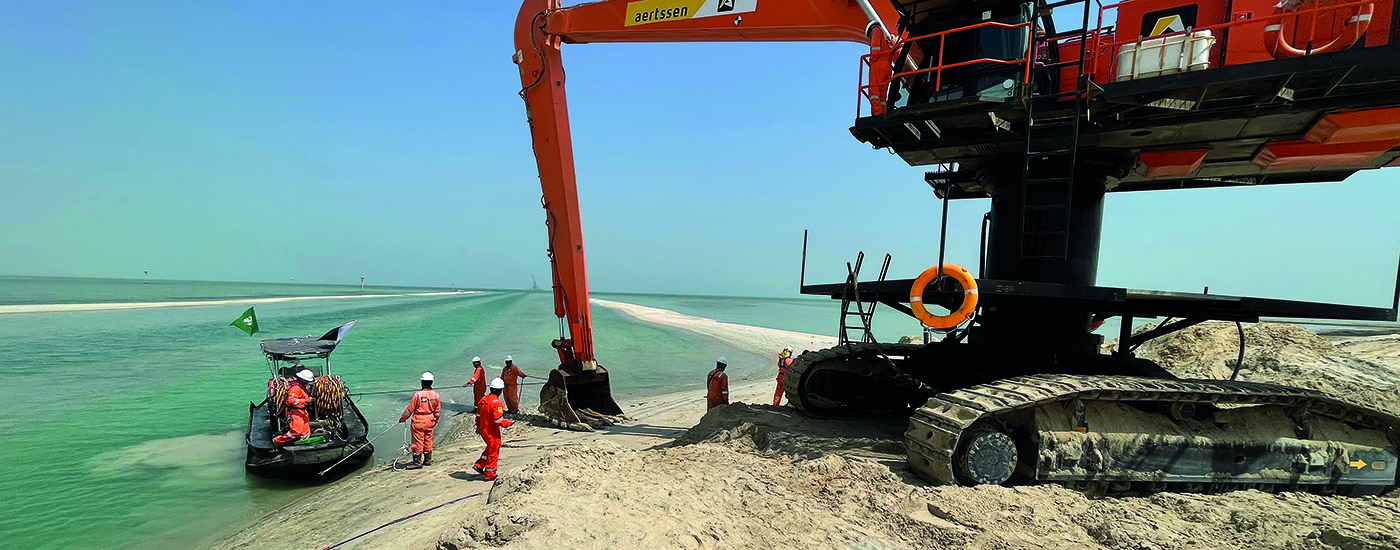
Saipem, in tandem with Saudi Aramco, achieved a new pipeline shore pull record with the Berri Downstream Pipeline. Shore pull operations were conducted by utilizing the biggest and most powerful linear pulling winch ever used in the Kingdom of Saudi Arabia, which has an 800-ton pulling capacity.
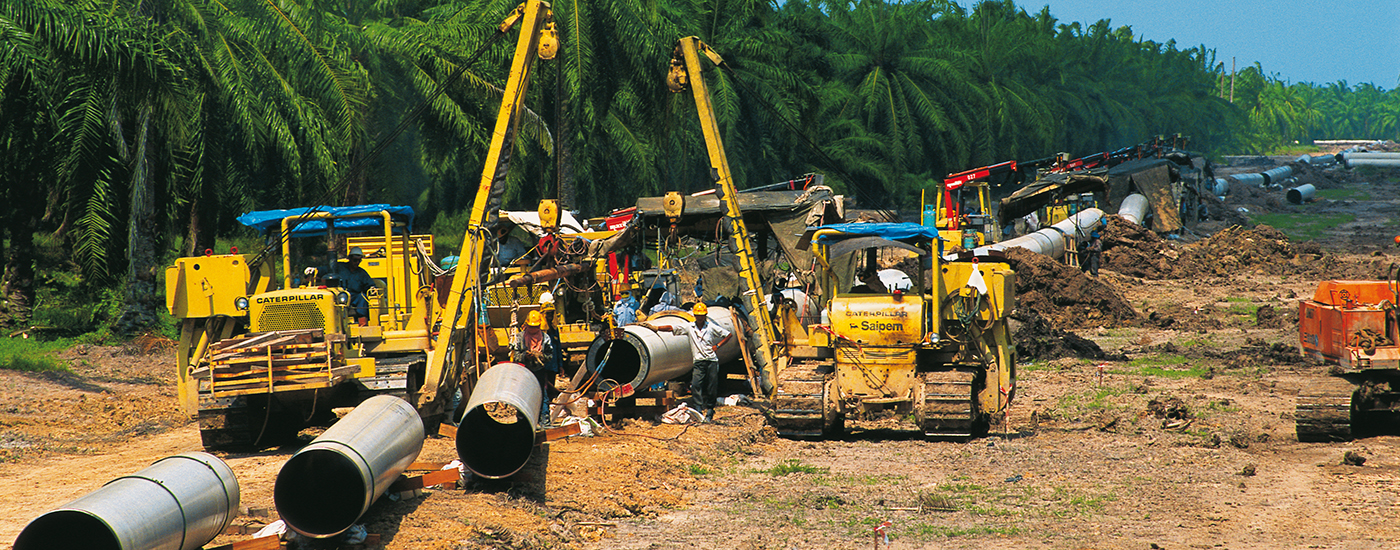
PGU III is the last stage of the PGU project, which was executed in order to provide natural gas from fields located off the west coast of the Malaysian Peninsula to end users in Malaysia and in Singapore.